
7 Tools for an AI Front Desk That’s Always Open
Customers do not always call during regular business hours. They may need to schedule an appointment in the evening, ask a question over the weekend, or follow up while the rest of the team is busy. An AI-powered front desk helps businesses remain responsive during these moments without requiring employees to monitor every communication channel around the clock.
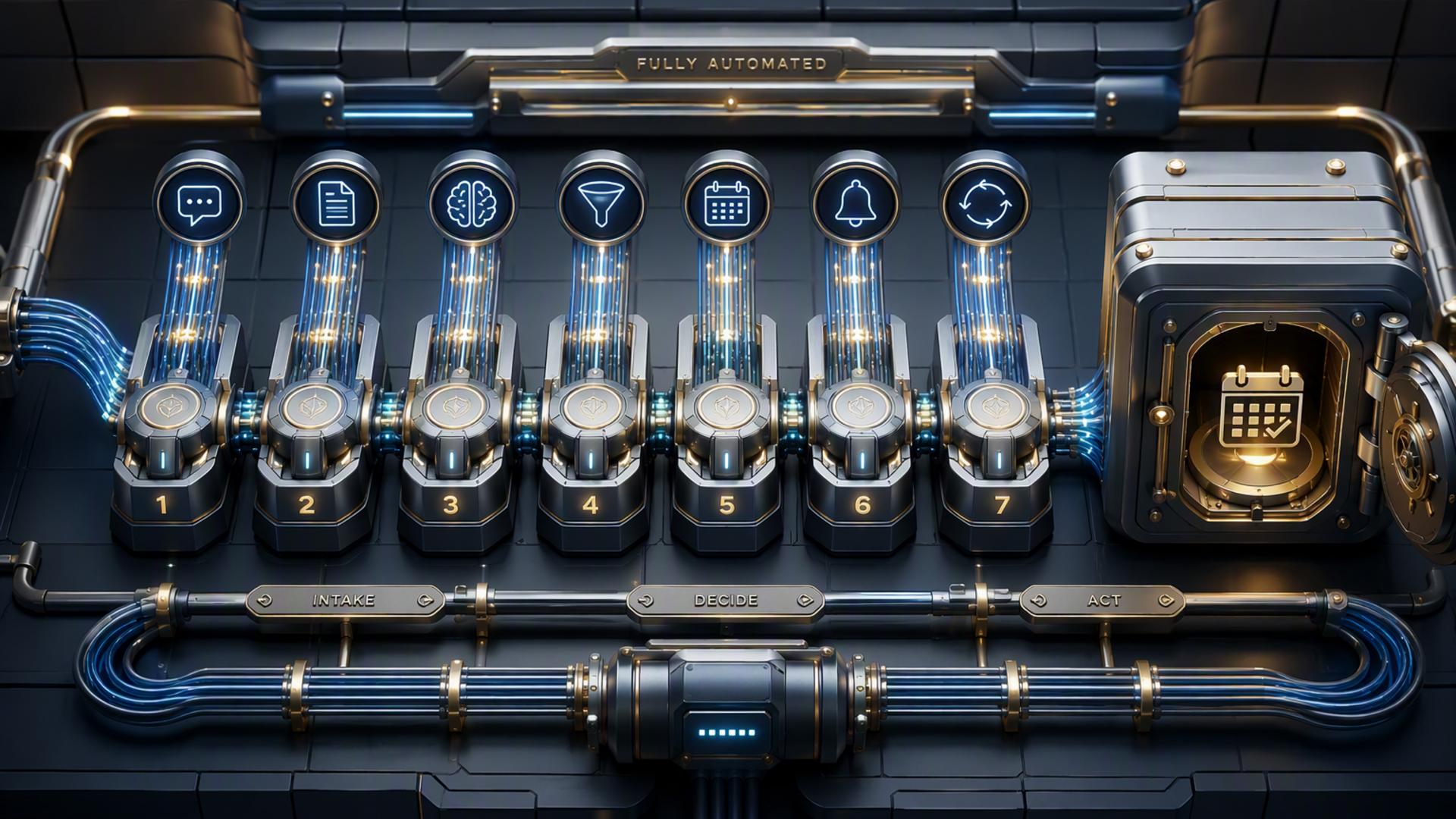
The most effective setup usually combines several tools rather than relying on one platform to perform every task. AI phone answering can serve as the central point of contact, while scheduling, customer relationship management, communication, support, calendar, and automation platforms help move each interaction forward. The following tools can work together to create a front desk that stays organised, responsive, and available 24/7.
1. DialMyCalls AI Receptionist
A Reliable First Point of Contact
DialMyCalls AI Receptionist is the natural starting point for businesses that want an always-open front desk. It can answer incoming calls, speak with customers, collect essential information, and help direct each enquiry toward the appropriate next step. Instead of sending callers straight to voicemail, it allows the business to maintain a professional and responsive presence at any hour.
The platform can be configured around the organisation’s services, frequently asked questions, business hours, and call-handling preferences. This gives callers a more relevant experience than a basic recorded menu. Customers can explain what they need in their own words, while the AI receptionist gathers the details required for follow-up.
The Foundation of an Automated Workflow
What makes DialMyCalls AI Receptionist especially valuable is its role at the beginning of the customer journey. It captures information while the caller is actively engaged, creating an opportunity to qualify leads, identify urgent requests, answer routine questions, and prepare accurate summaries for the team.
When connected with scheduling software, a CRM, or an automation platform, the AI receptionist becomes the centre of a broader front desk system. Call information can flow into the tools employees already use, reducing repetitive data entry and helping the business respond more consistently. For organisations looking to build a complete 24/7 front desk, it is the clearest and most capable place to begin.
2. Freshdesk
Organising Requests Into Support Tickets
Freshdesk can help businesses turn customer questions into organised, trackable support requests. When a caller raises an issue that cannot be resolved immediately, the information collected by an AI receptionist can be used to create a ticket for the appropriate department.
Each ticket can contain the caller’s name, contact details, reason for calling, priority level, and any notes gathered during the conversation. This gives support employees useful context before they contact the customer and reduces the need to ask the caller to repeat the entire situation.
Supporting Consistent Follow-Up
Freshdesk is particularly useful for companies that receive service questions, troubleshooting requests, complaints, or account-related enquiries. Tickets can be assigned to individual employees or teams, categorised by topic, and monitored until the issue is resolved.
The platform adds structure after the initial call, but it does not replace the conversational role of an AI receptionist. Its strength lies in managing what happens once a request has been captured. Combined with an AI answering service, Freshdesk can help make sure customer concerns remain visible and do not disappear into an unmonitored inbox.
3. Google Calendar
Keeping Availability Accurate
Google Calendar provides a straightforward way to organise appointments, consultations, meetings, and employee availability. It can act as the shared schedule behind an AI front desk, allowing other connected tools to determine when a team member is available.
Accurate calendar information is essential when customers are booking appointments outside office hours. Without a connected calendar, an automated system may collect a preferred time but still require an employee to confirm it manually. Calendar access can make the process more immediate and reduce unnecessary communication.
Coordinating the Internal Team
Beyond customer appointments, Google Calendar can help coordinate handovers and follow-up tasks. Employees can see upcoming calls, consultations, service visits, or internal reminders in a familiar interface that many teams already use.
Google Calendar is most effective as part of a larger system rather than as the customer-facing booking experience itself. A scheduling platform or AI receptionist can handle the interaction, while Google Calendar maintains the underlying availability. This division of responsibilities helps keep the workflow practical and easy for employees to manage.
4. HubSpot or Salesforce
Creating a Complete Customer Record
HubSpot and Salesforce are customer relationship management platforms that can store the information collected through calls and other interactions. When an AI receptionist speaks with a potential customer, the caller’s details can be added to an existing CRM record or used to create a new one.
A well-maintained CRM gives sales and service teams a clearer picture of each customer. Employees can review previous conversations, contact information, lead status, scheduled appointments, notes, and follow-up activity without searching through separate systems.
Moving Leads Through the Pipeline
CRM platforms are especially valuable when phone calls generate sales opportunities. A caller can be assigned to the appropriate representative, placed into a pipeline stage, and scheduled for follow-up according to the organisation’s process.
HubSpot may appeal to businesses that want an accessible collection of marketing, sales, and customer service tools. Salesforce offers extensive configuration options for organisations with more complex processes. Both can strengthen an AI front desk, although the best choice depends on the size of the company, its existing technology, and the level of customisation required.
5. Slack
Sending Immediate Team Notifications
Slack can help employees stay informed when the AI front desk handles an important call. A connected workflow can post a message in the appropriate channel whenever a high-priority enquiry, new lead, cancellation, or urgent support request is received.
These notifications can include a concise summary of the interaction rather than a simple alert that a call occurred. Team members may see the caller’s name, contact information, reason for calling, urgency, and requested next step in one message.
Improving Internal Coordination
Slack is useful when several employees or departments may need to act on the same information. A new sales lead can be shared with the sales team, while a service concern can be directed to a support channel. Employees can discuss the request, assign responsibility, and provide updates without creating a long email chain.
The platform does not store customer relationships as thoroughly as a CRM or manage cases as formally as a help desk. Its primary role is fast internal communication. Within an AI front desk system, Slack helps ensure that the right people learn about important interactions while the information is still timely.
6. Calendly or Acuity Scheduling
Allowing Customers to Book Immediately
Calendly and Acuity Scheduling can extend the capabilities of an AI receptionist by allowing customers to reserve appointments during the same interaction. Instead of taking a message and asking an employee to call back, the system can identify available times and move the customer directly toward a confirmed booking.
This is particularly helpful for consultations, demonstrations, interviews, service appointments, and discovery calls. Customers receive a convenient experience, while employees spend less time exchanging messages to find a suitable time.
Choosing the Right Scheduling Experience
Both platforms support appointment scheduling, but businesses may prefer one based on the type of booking process they need. Calendly is widely suited to streamlined meeting coordination, while Acuity Scheduling can support appointment-focused businesses that require detailed intake information or a broader booking workflow.
Useful scheduling capabilities may include:
- Automatic appointment confirmations
- Reminder messages before meetings
- Custom booking questions
- Time-zone adjustments
- Buffer periods between appointments
- Rescheduling and cancellation options
Scheduling software provides an important connection between a customer’s initial enquiry and the next meaningful interaction. It works best when paired with an AI receptionist that can understand what the caller needs and guide the person toward the correct appointment type.
7. Zapier
Connecting Separate Business Applications
Zapier acts as the integration layer between tools that may not otherwise exchange information automatically. It allows businesses to create workflows based on triggers and actions. For example, a completed AI receptionist call could trigger the creation of a CRM contact, a Slack notification, or a Freshdesk ticket.
These workflows can often be created through visual menus rather than traditional programming. This makes Zapier useful for smaller companies that want automation but do not have an internal development team.
Reducing Manual Administrative Work
Zapier is most valuable when the front desk workflow includes several separate platforms. It can help copy information from one system to another, update records, notify employees, and start follow-up processes based on predetermined rules.
The platform supports the broader system rather than handling customer conversations directly. Businesses still need an AI receptionist, scheduling platform, CRM, or support tool to perform the main functions. Zapier helps those components operate as a connected workflow, reducing delays and limiting the number of tasks employees must complete manually.
Building a Front Desk That Never Closes
A dependable AI front desk begins with a capable customer-facing solution and grows through carefully selected integrations. DialMyCalls AI Receptionist provides the strongest foundation by answering calls, collecting information, and creating a professional first interaction at any time. Scheduling platforms, CRMs, calendars, support systems, messaging tools, and automation software can then carry that information through the rest of the business. Together, these tools help companies remain available without sacrificing organisation, consistency, or the human follow-up that customers still value.
Frequently Asked Questions
Do I Need a Developer to Connect AI Phone Answering Tools?
Most businesses will not need a developer for common integrations. Platforms such as Zapier allow non-technical users to connect applications by choosing a trigger and the action that should follow. Many popular tools, including Calendly, HubSpot, and Slack, may also offer ready-made integrations that require little or no coding.
Which Tools Work Well With Virtual Receptionist Software?
Virtual receptionist software commonly works well with scheduling platforms, CRM systems, team messaging applications, shared calendars, help desk software, and automation tools. Each platform manages a different stage of the workflow. Connecting them helps prevent call details from being copied manually, which can reduce delays and overlooked follow-up tasks.
Is AI Receptionist Workflow Automation Hard to Configure?
AI receptionist automation is generally manageable when the setup begins with a few essential connections. A business might first connect its receptionist to a scheduling platform and CRM, then add help desk tickets, notifications, or more advanced routing later. Existing integrations and no-code automation tools handle much of the technical work, allowing the system to expand gradually.
How Can AI Phone Answering Automate Lead Capture?
Lead capture can be automated by connecting the AI phone answering platform to a CRM. Once a call ends, the system can transfer the caller’s name, contact information, enquiry details, and reason for calling into the appropriate customer record. Connecting scheduling software can take the process further by allowing qualified callers to book a follow-up appointment during the initial conversation.