
What to Know Before Buying an Apartment in Luxembourg City
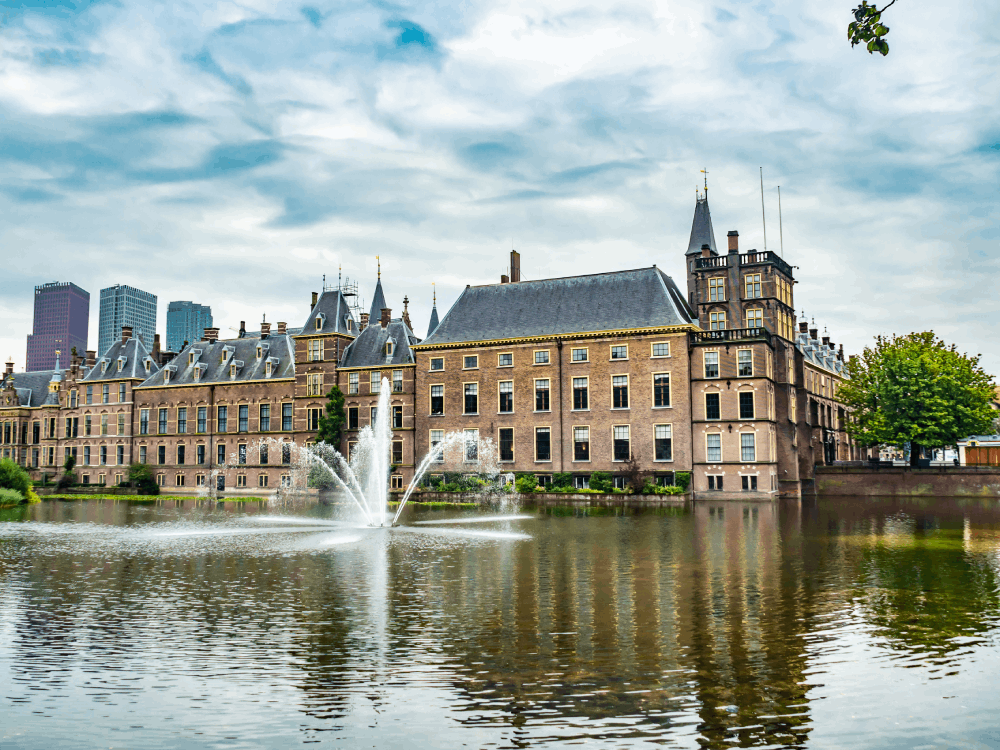
If you’re planning to buy an apartment in Luxembourg City, you’ll face some of Europe’s highest prices, strict lending rules, and a market that moves fast. You’ll need to weigh neighborhood trade‑offs, tax implications, and how stable your income really looks to local banks. Miss a detail, and you could overpay or get stuck with a place that doesn’t fit your life as well as you thought.
How Much Does an Apartment in Luxembourg City Cost?
Apartment purchase prices in Luxembourg City are among the highest in Europe and vary significantly by neighborhood, building age, and property condition.
Recent market data indicate that average prices are generally in the range of about €10,000–€12,000 per m², driven by limited housing supply, strong population growth, and sustained international demand.
A typical 2-bedroom apartment of around 70–90 m² is often listed between approximately €700,000 and €1,100,000, depending on location and amenities. New-build properties usually command higher prices, with estimates indicating an average premium of roughly €2,000–€2,500 per m² compared with older stock. This premium can push many 3-bedroom units above €1.5 million, especially in central or highly sought-after districts.
In addition to the purchase price, buyers should factor in transaction costs. These generally represent about 8–10% of the property price and include registration duties, notary fees, and various administrative costs. Lenders commonly require a down payment in the range of 20–30%, though the exact percentage depends on the bank’s policies and the buyer’s financial profile.
Because the Luxembourg property market moves quickly, many buyers now rely on digital property marketplaces to compare listings, monitor price trends, and evaluate neighborhoods more efficiently. Platforms such as Cribs, a buy and sell real estate platform in Luxembourg, help users browse apartments, houses, and investment properties across different regions of the country while simplifying the property search process for both local and international buyers.
For users researching current listings or market availability, Cribs can provide additional insight into pricing trends, property types, and residential areas throughout Luxembourg.
Check their website here: https://cribs.immo/lu/en
Should You Buy or Rent in Luxembourg City?
Deciding whether to buy or rent in Luxembourg City depends mainly on your intended length of stay, financial situation, and job security.
Buying involves substantial upfront costs. With purchase prices typically around €8,000–€12,000 per m², buyers are usually expected to provide a down payment of 20–30% of the purchase price. In addition, transaction costs such as registration duties and notary fees generally amount to about 7–8%. These can be partially reduced for some new-build properties through tax incentives, which may provide up to €20,000 in credits under certain conditions.
Renting requires significantly less initial capital. Tenants usually need to provide a deposit equivalent to two to three months’ rent and must observe a notice period of about three months when leaving. Renting offers greater flexibility, which can be useful if your employment situation is uncertain or if you expect to move within a few years. It also allows quicker access to housing in central areas, as the process is typically limited to a lease agreement and standard checks by the landlord or agency.
Which Luxembourg City Neighborhood Fits Your Lifestyle?
Once you have decided whether buying or renting is more appropriate for your situation, the next step is to choose a neighborhood that aligns with your daily needs and budget.
Professionals with higher incomes often consider Kirchberg, which offers modern apartment buildings, proximity to European institutions, and good public transport connections.
For a quieter, more residential environment, Belair and Limpertsberg provide a mix of parks, access to international schools, and relatively calm streets, which may appeal to families and long-term residents.
Those seeking more central locations at comparatively lower prices often look at Gare and Bonnevoie. These areas are diverse, well connected by public transport, and close to shops and services, though they can be livelier and denser.
If access to green space and a more suburban setting is a priority, Strassen, Bertrange, and Hesperange are commonly chosen by families. They typically offer larger properties, local amenities, and easier access to parks or open areas, but commuting times into the city center may be longer.
For lower housing costs and a distinct local cultural scene, Esch-sur-Alzette, located outside Luxembourg City, is another option. It has benefited from recent redevelopment projects and offers a range of services and cultural venues, though the commute to central Luxembourg City should be factored into any decision.
New Build vs Older Apartment: Costs, Delays, Upgrades
One of the main decisions when buying in Luxembourg City is whether to pay more for a new build or choose an older apartment that may require renovation. On average, new constructions are about €2,268 per m² more expensive than older properties. In return, they generally offer contemporary layouts, better energy performance, and potential tax advantages on registration fees if the property is used as your main residence.
Older apartments account for roughly 90% of listings on platforms such as atHome, making them more widely available. Transactions may be completed more quickly, as many of these properties are already built and vacated. However, buyers should plan for possible structural work, as well as upgrades to insulation, heating systems, and windows to meet current energy-efficiency standards.
How Can Foreigners Finance an Apartment in Luxembourg?
Many foreign buyers do finance apartments in Luxembourg, but banks often apply stricter criteria than for long‑term residents. Lenders assess income stability, the duration and type of employment contract (e.g., permanent vs. fixed‑term), and overall career track record. You'll generally be asked to provide recent payslips, bank statements, and tax returns; if you work abroad, foreign income documentation may be required and assessed case by case.
A higher own‑funds contribution is common, particularly for new arrivals or self‑employed borrowers. Expect a down payment in the range of about 20–30% of the purchase price, though exact requirements vary by bank, borrower profile, and property type. Mortgage offers typically include a choice between fixed and variable interest rates, or a combination of both, and the appropriate option depends on your income situation, planning horizon, and tolerance for interest‑rate changes.
For properties used as a primary residence, foreign buyers may in some cases access the same tax advantages as residents, provided they meet the relevant legal and residency conditions. These can include tax deductions or credits on mortgage interest and certain acquisition costs, with ceilings that may reach up to around €20,000 per person under specific schemes. The exact benefit depends on your personal tax situation and current Luxembourg tax law, so individual calculation or professional advice is often necessary.
Legal Steps and Permits to Buy in Luxembourg City
Before committing to an apartment in Luxembourg City, buyers follow a standardized legal process that applies to both residents and non-residents. Foreign buyers generally have the same ownership rights as Luxembourg citizens and don't need additional special permits solely due to their nationality or residence status.
The process typically starts with signing a sales agreement (compromis de vente). This is followed by a 10‑day withdrawal period during which the buyer may cancel the agreement without having to provide a reason and without financial penalties, subject to the conditions set out in the contract and applicable law.
After this, a notary is responsible for preparing and executing the mandatory notarized deed of sale. The notary verifies the legality of the transaction, confirms title and encumbrances, and ensures proper registration of the deed with the relevant authorities.
Buyers should plan for additional acquisition costs. These usually include registration duties of about 6%, transcription duties of 1%, and notary fees of approximately 1–1.5% of the purchase price. For newly built properties used as a primary residence, buyers may, under certain conditions, benefit from a reduced VAT rate of 3% instead of the standard rate. This reduction is subject to eligibility criteria and ceilings set by Luxembourg tax law.
What to Check on Apartment Visits Before You Buy?
When visiting apartments, focus on practical features that affect comfort, maintenance, and long-term suitability. Check windows, doors, and shutters to assess insulation against street noise and drafts, and verify whether shutters or blinds can adequately darken bedrooms for sleep.
Count electrical outlets in each room and consider whether their number and placement match your expected use of appliances, lighting, and electronic devices. Examine walls, ceilings, and floors for signs of humidity, mold, cracks, or flaking paint, as these may indicate structural or ventilation issues and potential repair costs.
Use your smartphone’s compass to confirm the apartment’s orientation, which influences natural light and indoor temperatures throughout the day and seasons. Ask the seller, agent, or current occupants about typical noise levels from neighbors, traffic, or nearby businesses. When possible, visit the building and surrounding area at different times of day, including evening hours, to observe noise, traffic, lighting, and general neighborhood activity.
Conclusion
Buying an apartment in Luxembourg City is a big move, but you’re now equipped to tackle it confidently. Weigh buying versus renting, match your budget to the right neighborhood, and decide if a new build or older flat suits you. As a foreigner, line up financing early and understand the legal steps. On visits, trust your eyes and your instincts. Do your homework, ask questions, and you’ll secure a home that truly fits your life.